Plants Dying After Planting? Common Reasons
Reasons Why Your Plants Keep Dying After Planting
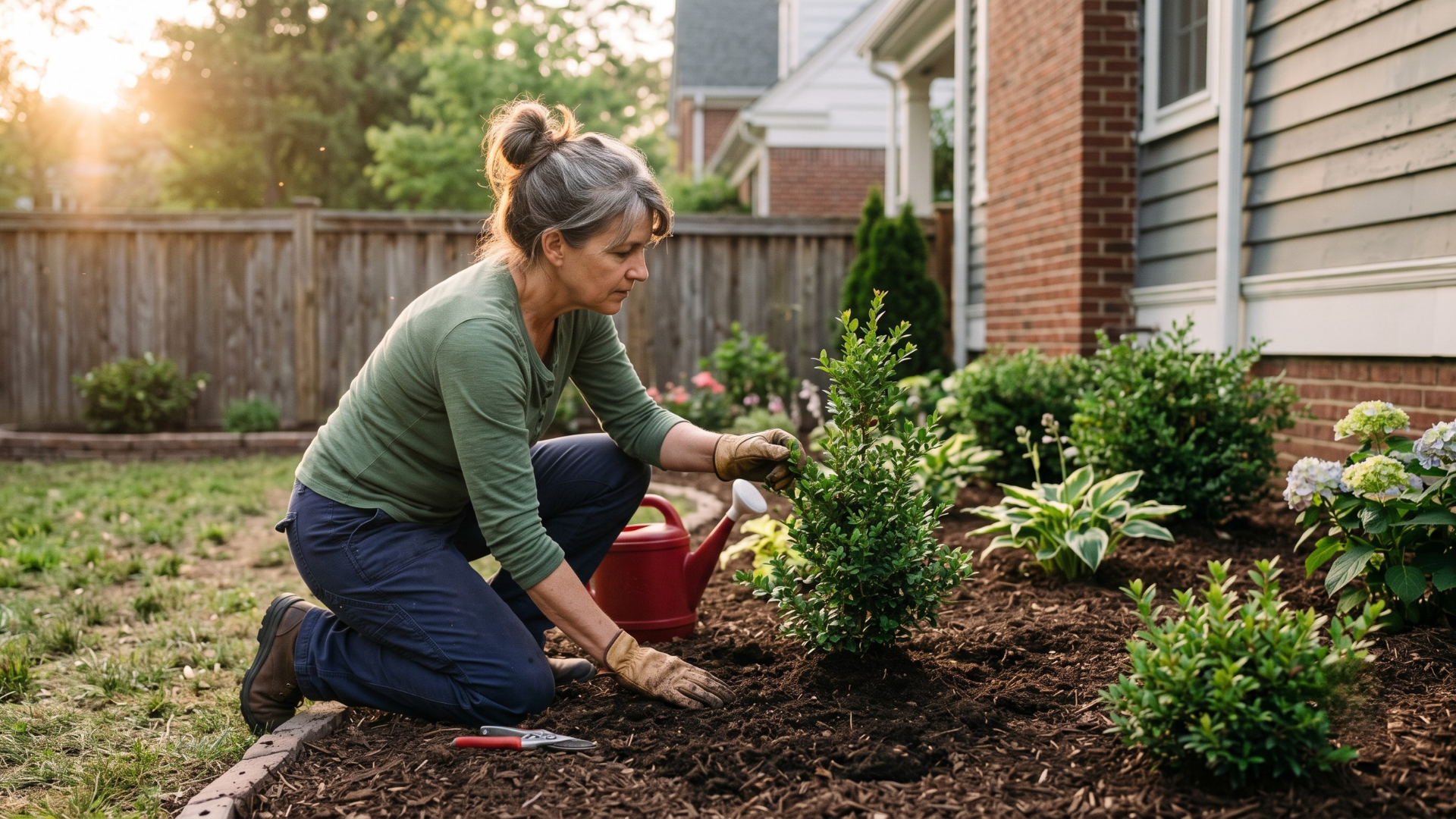
A new plant should feel like a fresh start. You bring it home, dig the hole, water it in, and wait for healthy growth. Then the leaves droop, the stems weaken, or the whole plant starts turning brown.
For many homeowners and new gardeners in Niagara Falls, NY, this can be frustrating. The problem is not always that you bought a bad plant. In many cases, plants dying after planting are reacting to stress, poor placement, watering issues, or soil conditions that were easy to miss at first.
The good news is that most planting problems can be corrected once you know what to look for. With the right nursery advice, better soil preparation, and a little patience, your plants can have a much stronger chance of taking root and thriving.
Is Transplant Shock Causing Your New Plants to Struggle?
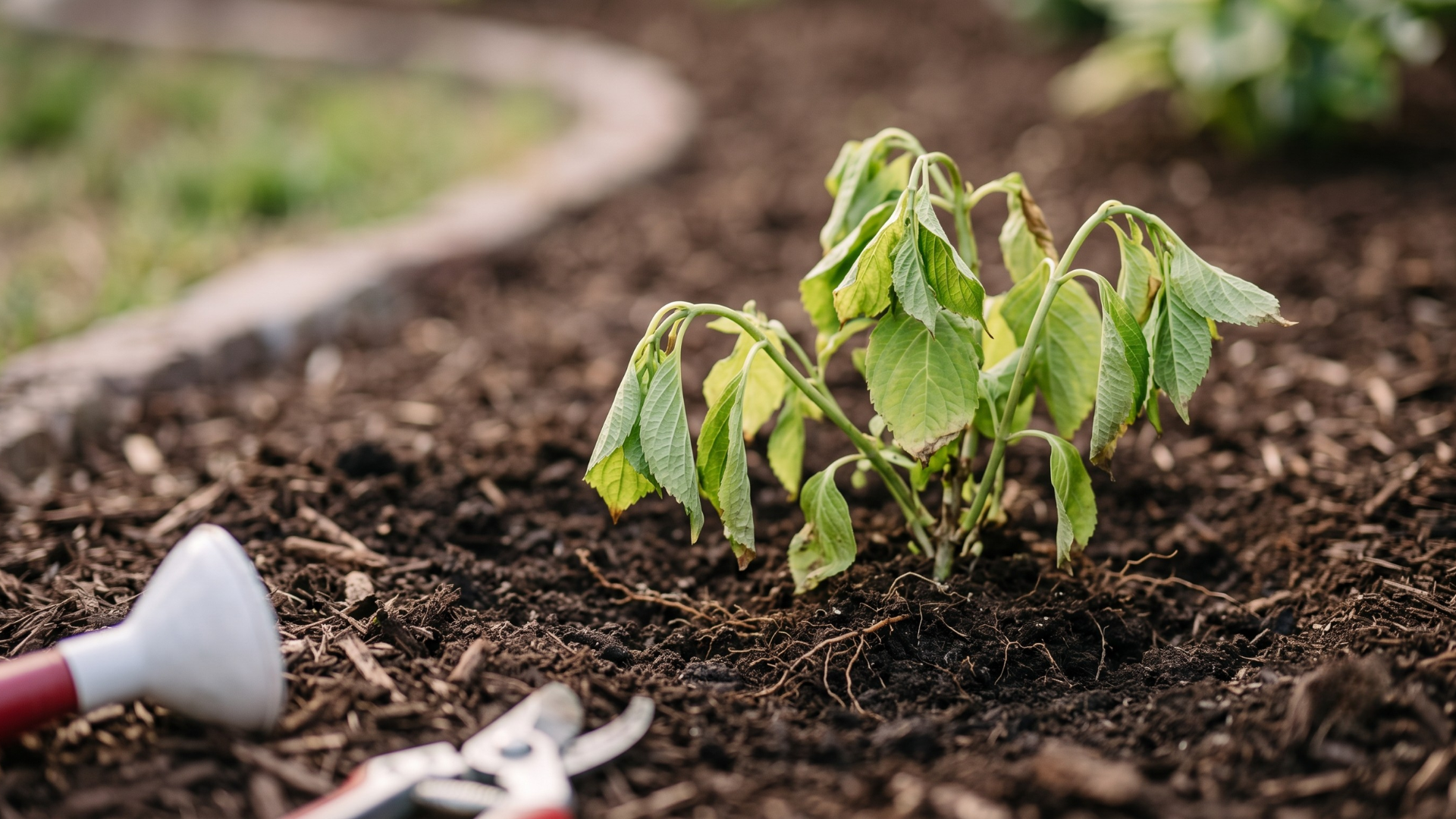
Transplant shock is one of the most common reasons healthy plants decline shortly after planting. A plant goes through stress when it moves from a pot or nursery bed into a new yard. Its roots need time to adjust to different soil, sunlight, wind exposure, and moisture levels.
Some signs of transplant shock include wilting leaves, yellowing, leaf drop, slow growth, and dry-looking stems. This does not always mean the plant is dead. It may simply be using its energy to rebuild its root system before producing new top growth.
How to reduce stress after planting
Start by planting at the right depth. The top of the root ball should usually sit level with the surrounding soil, not buried too deep. Planting too low can suffocate roots and hold water around the crown, which may lead to rot.
Handle the roots gently, but do loosen tightly circling roots before planting. If the root ball is extremely compacted, the roots may keep growing in a circle instead of spreading into the surrounding soil.
For homeowners who want help choosing plants that handle local conditions well, visiting a trusted
plant nursery in Newfane, NY can make the planting process much easier. The right plant choice matters before the first hole is even dug.
Why patience matters after planting
New plants often need several weeks to settle in. During that time, avoid over-fertilizing or repeatedly moving them around. Too much attention can sometimes create more stress.
Watch for steady signs of recovery, such as firm stems, new buds, and leaves that stop declining. A plant may not look perfect right away, but that does not mean it cannot recover.
Are Watering Issues Hurting the Roots?
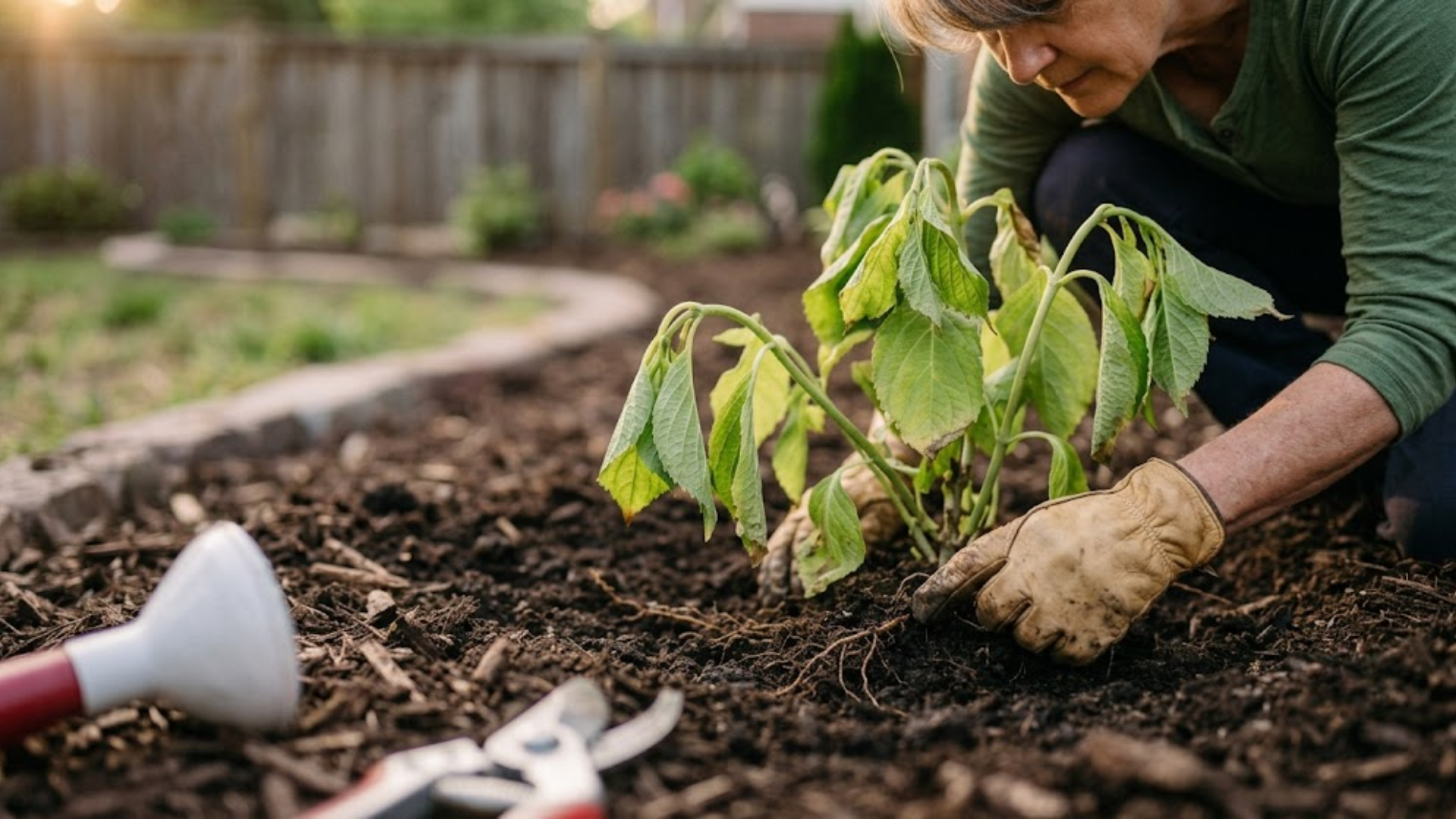
Watering issues can quickly turn a promising planting project into a disappointment. New gardeners often think a struggling plant always needs more water. Sometimes it does. Other times, too much water is the real problem.
Roots need both moisture and oxygen. When soil stays soggy, oxygen gets pushed out and roots can begin to rot. When soil dries out too much, the roots cannot pull in enough water to support the leaves.
Signs of underwatering
Underwatered plants may have dry, crispy leaf edges, drooping leaves, and soil that pulls away from the sides of the planting hole. The plant may perk up briefly after watering, then wilt again when the soil dries too quickly.
This can happen often in sunny, windy parts of Niagara Falls, especially during warm stretches. Newly planted shrubs, perennials, and trees usually need more consistent watering than established plants.
Signs of overwatering
Overwatered plants may also wilt, which makes the issue confusing. Look for yellow leaves, soft stems, mushy roots, fungus growth, or soil that stays wet for days. If the plant smells sour or the roots are brown and slimy, excess water may be damaging the root system.
A simple test helps. Push your finger a few inches into the soil near the root zone. If it feels dry, water deeply. If it feels wet, wait and let the soil breathe.
How to water new plants correctly
Water deeply and less often instead of sprinkling lightly every day. Deep watering encourages roots to grow downward and outward. Light watering only wets the surface and can leave the deeper roots thirsty.
Mulch can also help, but keep it a few inches away from the stem or trunk. Mulch piled against the base of a plant can trap moisture and invite disease.
If you are installing multiple plants or reworking a larger bed, professional
landscaping services in Niagara Falls, NY can help with spacing, watering plans, soil preparation, and plant placement.
Is Poor Soil Quality Limiting Plant Growth?
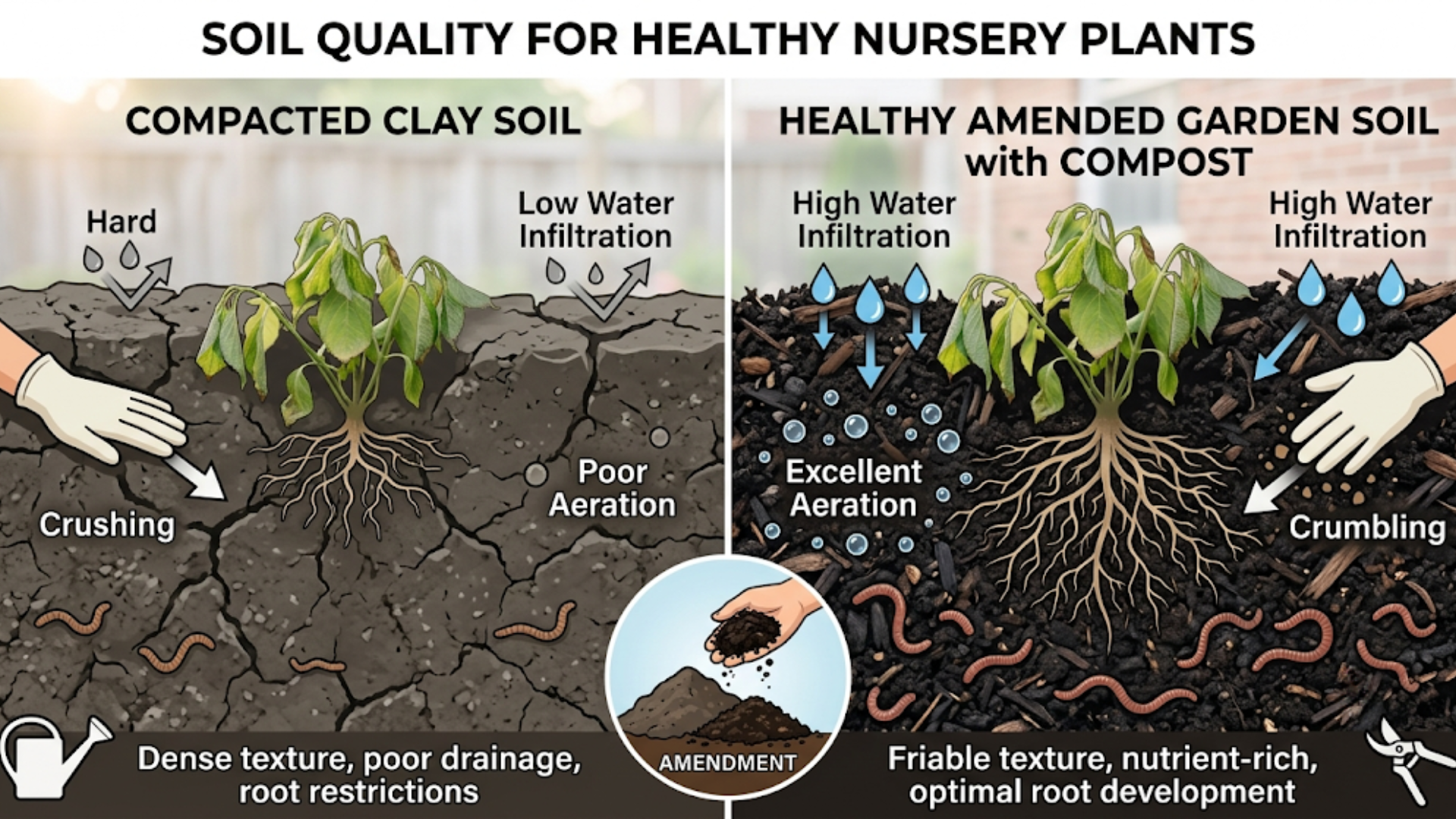
Soil quality plays a major role in whether new plants survive. A plant may look healthy in its container because it was grown in controlled nursery conditions. Once it goes into compacted, sandy, clay-heavy, or nutrient-poor soil, it may struggle.
Good soil should hold enough moisture for roots while still draining well. It should also allow roots to spread without fighting through hard, compacted layers.
Why clay soil can be difficult
Clay soil holds water for a long time. That can be helpful during dry periods, but it can also drown roots if drainage is poor. Many plants do not like sitting in wet, heavy soil.
If your planting hole fills with water and drains slowly, the plant may need a raised bed, amended soil, or a better location. Adding organic matter can improve texture, but it must be mixed properly with the existing soil.
Why sandy soil can dry too fast
Sandy soil drains quickly and may not hold enough moisture for young roots. Plants in sandy areas may need more frequent watering while they establish. Compost and organic matter can help the soil retain moisture longer.
The right plant choice also matters. Some plants are more tolerant of dry soil, while others need richer, more consistent moisture.
When soil amendments help
Compost, aged organic matter, and quality topsoil can improve difficult planting areas. However, adding too much rich material only inside the planting hole can create a “bathtub effect,” where water collects around the root ball.
Instead, improve a wider area around the plant whenever possible. This gives roots a better path to expand.
For homeowners planning bigger yard improvements,
landscape design in Niagara Falls, NY can help match plants to the soil, sunlight, drainage, and overall layout of the property.
Did You Choose the Wrong Plant for the Spot?
Sometimes plants die because they were placed where they were never likely to thrive. A beautiful sun-loving plant may struggle in shade. A shade plant may burn in harsh afternoon sun. A moisture-loving plant may decline in dry, exposed soil.
This is why plant tags are helpful, but local guidance is even better. Conditions on one side of a yard can be very different from the other. Wind, drainage, nearby trees, roof runoff, and reflected heat from pavement all affect plant health.
Sunlight needs must match the location
Before planting, watch how the sun moves across the space. Full sun generally means at least six hours of direct sunlight. Part shade means a mix of sun and shade. Full shade still needs some brightness, but not strong direct sun for long periods.
A plant that receives the wrong light may survive for a while, but it often becomes weak and vulnerable to pests, disease, and weather stress.
Spacing affects long-term survival
Plant spacing is easy to underestimate. Small nursery plants can grow much larger over time. When plants are crowded too closely, they compete for water, nutrients, and airflow.
Poor airflow can lead to fungal problems. Crowded roots can also slow growth and make the whole planting bed harder to maintain.
If you are buying plants for a nearby property, a
plant nursery in Lewiston, NY page can guide local homeowners looking for plant options close to the Niagara Falls region.
Hardiness matters in Western New York
Niagara Falls, NY has cold winters, changing spring weather, and stretches of wet or dry conditions depending on the season. Not every attractive plant is a smart long-term choice for this region.
Look for plants suited to local winter temperatures and seasonal moisture patterns. A plant that cannot handle the local climate may fail no matter how carefully it is watered.
Are Planting Mistakes Creating Hidden Problems?
Even when the plant, soil, and location seem right, small planting mistakes can still cause trouble. These problems may not show up immediately. A plant can look fine for a few days or weeks before symptoms appear.
The most common mistakes include planting too deep, leaving the root ball too tight, using too much fertilizer, failing to water deeply after planting, or skipping aftercare during the first season.
Planting too deep can suffocate roots
Roots need access to oxygen. When the root crown is buried under too much soil or mulch, the plant may slowly decline. Trees and shrubs are especially sensitive to this issue.
Check the base of the plant. If the stem disappears straight into the soil like a telephone pole, it may be planted too deep. You should usually see a slight flare or natural transition at the base.
Fertilizer is not always the answer
When plants look weak, many people reach for fertilizer first. But fertilizer will not fix transplant shock, poor drainage, or root damage. In some cases, it can make stress worse by pushing top growth before the roots are ready.
Focus first on correct watering, soil contact, planting depth, and proper light. Fertilizer can help later if the plant needs nutrients, but it should not be used as a cure-all.
Larger projects need a clear planting plan
A few plants can be managed one by one. A full yard or garden bed needs more planning. Grouping plants by water needs, mature size, and sun requirements makes maintenance much easier.
Homeowners comparing plant choices, soil products, and seasonal options may also find it helpful to explore a nearby
garden center in Lockport, NY when planning a larger planting project.
Why Planting Success Matters in Niagara Falls, NY
Planting in Niagara Falls, NY comes with local challenges, from cold winters and spring temperature swings to clay-heavy soil in some yards and wind exposure near open areas. Choosing plants that fit the region can make a major difference. Homeowners and new gardeners often get better results when they combine healthy nursery stock with local nursery advice, proper watering, and soil preparation that matches Western New York growing conditions.
Get Local Planting Advice Before You Replant
If your plants keep failing and you are not sure why, call Stedman Old Farm Nurseries Inc. at 716-778-8540. Our team can help you understand what may be going wrong and offer practical nursery advice before you spend more time and money replacing plants.
Frequently Asked Questions
Why are my plants dying after planting?
Plants dying after planting are often dealing with transplant shock, watering issues, poor soil quality, or the wrong location. The plant may need time to adjust, but it also needs the right depth, moisture, sunlight, and drainage to recover.
How long does transplant shock last?
Transplant shock can last a few days to several weeks, depending on the plant type, weather, root health, and aftercare. Trees and shrubs may take longer to fully adjust than smaller annuals or perennials. Consistent watering and proper planting depth can help reduce the stress.
Should I water newly planted plants every day?
Not always. Daily watering may be needed during very hot or dry conditions, but it can cause root problems if the soil stays wet. It is better to check the soil near the roots and water deeply when the top few inches begin to dry.
Can bad soil cause new plants to die?
Yes, poor soil quality can cause plants to decline quickly. Soil that is too compacted, too wet, too sandy, or low in organic matter can stop roots from growing properly. Improving the soil before planting gives new plants a better start.
When should I ask a nursery for advice?
Ask for nursery advice before buying plants if you are unsure about sunlight, spacing, soil, or winter hardiness. You should also call if several plants have failed in the same area, since that can point to a deeper issue with drainage, soil, or placement.
A struggling plant is not always a lost cause. Once you understand the reason behind the decline, you can make better choices with watering, soil preparation, plant selection, and aftercare. If you need help figuring out why your plants are not taking hold in Niagara Falls, NY, Stedman Old Farm Nurseries Inc. is ready to help you choose the right next step.